“2000 meters” search results (900)

Three types of coffee
At present, there are about a dozen varieties for drinking. At present, the most important varieties of coffee beans mainly come from three kinds. Arabian species (Arabica species), Romsda species and Libyan species.
2014-07-24 Coffee knowledge coffee types coffee encyclopedia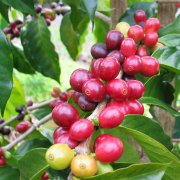
Coffee grading in Kenya
The growth environment of boutique coffee beans also has higher requirements. Generally grow at an altitude of 1500 meters or even more than 2000 meters above sea level, with appropriate precipitation, sunshine, temperature and soil conditions. Some world-famous coffee beans also have a special geographical environment, such as the alpine clouds in the Blue Mountains, the free shade provided by the afternoon clouds in Kona, and the volcanic ash soil in Antigua.
2016-05-23 Kenya coffee grade division boutique coffee beans growth environment also more
Coffee grading in Kenya
The growth environment of boutique coffee beans also has higher requirements. Generally grow at an altitude of 1500 meters or even more than 2000 meters above sea level, with appropriate precipitation, sunshine, temperature and soil conditions. Some world-famous coffee beans also have a special geographical environment, such as the alpine clouds in the Blue Mountains, the free shade provided by the afternoon clouds in Kona, and the volcanic ash soil in Antigua.
2016-05-23 Kenya coffee grade division boutique coffee beans growth environment also more
Sour, sweet and mellow Guatemala Antigua Coffee Bean Flavor description method
Of the three major non-volcanic coffee producing areas in Guatemala, the Mini Tenango Highlands has the driest climate and the highest elevation. The dry and hot wind from Mexico's Tehuantepec plateau protects the region's coffee from frost and can be grown to 2000 meters (6500 feet). Because of its remote location, all coffee farmers have to process their own coffee, but fortunately it is a stream in the area.
2016-10-17 Guatemala Antioch Flower God Coffee Bean Flavor description treatment characteristics introduction
Honduran coffee related knowledge Honduran coffee elements
Honduras produces two kinds of coffee of very good quality, which are highly respected by coffee lovers. One is the highland coffee growing at 1000-1500 meters above sea level, and the other is the selected highland coffee growing at 1500-2000 meters above sea level, which represents the highest level in Honduras. Most of the Honduran coffee is exported to the United States and Germany. The granules of coffee beans in Honduras are more shaped than those in Honduras.
2016-05-25 Honduras Coffee related knowledge elements production two quality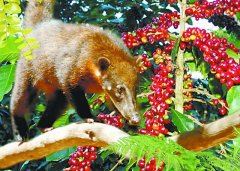
Peruvian raccoon shit coffee is the most expensive $60 a cup in the world.
Peruvian coffee is very popular in the international market in recent years, frequently won the international coffee gold awards, Peruvian coffee mellow taste and soft sour taste is very popular. Now Peru has become the world's third largest exporter of coffee, especially a kind of coffee derived from raccoon droppings, tens of dollars a small cup, one of the most expensive coffee in the world. Raccoon poop coffee is expensive.
2015-08-25 Peru raccoon coffee the world the most expensive sixty dollars a cup
Introduction to Harald producing area of Ethiopian Coffee
At 1600 to 2400 meters above sea level, the Harald Heights in eastern Egypt is one of the highest elevation areas for human coffee cultivation (some even claim to be as high as 2000 to 2700 meters), overlooking the Yemeni ports of Mocha and Aden across the Gulf of Aden. For centuries, Harald coffee farmers, using camels, donkeys or carriages, risked being besieged by hyenas to transport coffee beans to Gibb, a port at the foot of the mountain.
2016-06-15 Ethiopia Coffee Harald Rahl producing area introduction altitude 600pence 4
Coffee beans travel
The coffee we drink comes from the roasting and grinding of coffee beans, and the magic coffee tree provides it all.
2014-05-23 Coffee knowledge coffee beans coffee encyclopedia
Introduction of Coffee Bean producing areas in Harald, Ethiopia
At 1600 to 2400 meters above sea level, the Harald Heights in eastern Egypt is one of the highest elevation areas for human coffee cultivation (some even claim to be as high as 2000 to 2700 meters), overlooking the Yemeni ports of Mocha and Aden across the Gulf of Aden. For centuries, Harald coffee farmers used camels, donkeys or carriages to transport coffee beans to the downhill port of Djibouti, risking being besieged by hyenas.
2015-02-12 Ethiopia Coffee Harald Lal producing area Coffee Bean introduction altitude 6
Bolivian Coffee Plantation Flavor Introduction Bolivian Coffee Features
Arabica coffee cannot be grown at altitudes higher than 2000 meters, and if the altitude is too high, the coffee trees will freeze due to the low temperature. Bolivian coffee is mainly grown in the Yungas region northeast of La Paz. Bordering the Amazon River basin, it is about 1500-2500 meters above sea level and has an average annual temperature of about 10-15 ° C. Therefore, coffee growth is guaranteed.
2016-07-21 Bolivia Coffee Manor Region Flavor Taste Introduction Characteristics Rabbi
Introduction to the taste of Ecuadorian boutique coffee beans with soft taste
For coffee, the most important thing is to understand the soil and altitude in which it grows will have a significant impact on the quality of coffee products. Alpine coffee from Ecuador is produced at an altitude of about 1000-2000 meters. Coffee from different soils has different tastes. Its taste is very interesting, a little sour and bitter, coupled with aromas and sweetness of fruit, grass and chocolate, for making ES
2016-07-13 Taste comparison soft Ecuador boutique coffee beans flavor introduction for
The three main types of coffee
At present, there are about a dozen varieties for drinking. At present, the most important varieties of coffee beans mainly come from three kinds. Arabian species (Arabica species), Romsda species and Libyan species.
2014-07-07 Coffee knowledge coffee type coffee encyclopedia
A brief introduction to the growth process of boutique coffee beans
Coffee is a kind of drink, which gives the public the impression that it is black, bitter, sleepless and excited. The color of the coffee beans we see in the coffee shop is tea-brown, which belongs to roasted coffee beans, while the color of the coffee liquid is trickle color. Coffee comes from big coffee beans, and coffee beans are harvested and processed from big trees. The development of coffee
2014-09-04 Coffee knowledge boutique coffee coffee growth coffee beans
Basic knowledge of fine coffee basic knowledge of coffee growth
Coffee is a kind of drink, which gives the public the impression that it is black, bitter, sleepless and excited. The coffee beans we see in the coffee shop are tea-brown, which belongs to roasted coffee beans, while the color of the coffee liquid is amber. Coffee comes from coffee beans, which are harvested and processed from the fruit of trees. The growth habit of coffee: coffee
2014-11-21 Coffee knowledge boutique coffee coffee common sense coffee growth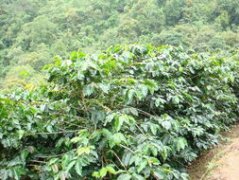
The History and Culture of Harald Coffee
Harald (Harar) is 1600 meters above sea level, and the Harald Heights in eastern Ethiopia is one of the highest elevation areas for human coffee cultivation (some even claim to be as high as 2000 Murray 2,700 meters). Across the Gulf of Aden, overlooking the two ports of Moka and Aden in Yemen. For centuries, Harald coffee farmers carried coffee beans down the mountain with camels, donkeys or carriages, risking being besieged by hyenas.
2015-03-09 Harald Rahl Coffee History and Culture Harar altitude
Introduction to the varieties of Coffee what are the treatment methods of coffee
As you explore the history and beauty of coffee, you can also see the coffee trees that are caressed by the tropical sun and whose leaves twinkle. It has a small white flower similar to jasmine, its fruit from green to yellow-green, and finally to red, coffee beans are the seeds in its fruit. Moreover, if you go to the coffee bean refinery, you can certainly see the red color called coffee cherry.
2016-05-26 Coffee variety introduction what treatment way method you in explore coffee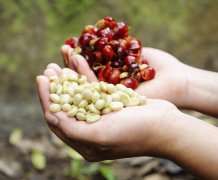
Boutique coffee-travel with coffee beans
The coffee we drink comes from the roasting and grinding of coffee beans, and all this is provided by magical coffee bars. The origin of this economic crop is in Yisuobi in Africa. It has been cultivated for more than 2000 years. At present, the main coffee producing areas in the world are Latin America, Africa and Africa. According to statistics, coffee is cultivated in 76 countries in the world, mainly in Africa and the United States. Coffee in our country
2016-06-19 Boutique coffee follow coffee beans travel us roast
Basic knowledge of Fine Coffee growth knowledge of Coffee trees
Coffee is a kind of drink, which gives the public the impression that it is black, bitter, sleepless and excited. The coffee beans we see in the coffee shop are tea-brown, which belongs to roasted coffee beans, while the color of the coffee liquid is amber. Coffee comes from coffee beans, which are harvested and processed from the fruit of trees. The growth habit of coffee: coffee
2014-12-29 Boutique coffee basics common sense growth knowledge one beverage public
Coffee Harald producing area of Ethiopia coffee bean producing area
At 1600 to 2400 meters above sea level, the Harald Heights in eastern Egypt is one of the highest elevation areas for human coffee cultivation (some even claim to be as high as 2000 to 2700 meters), overlooking the Yemeni ports of Mocha and Aden across the Gulf of Aden. For centuries, Harald coffee farmers used camels, donkeys or carriages to transport coffee beans to the downhill port of Djibouti, risking being besieged by hyenas.
2015-10-22 Ethiopia Coffee Harald Rahl producing area Coffee beans altitude 600 000
Guatemala Vivette South Fruit Coffee producing area
Vivette Nan Fruit is located in the highlands of northwestern Guatemala, growing at an altitude of 1800-2100 meters. It is the highest coffee-producing area in the country and is famous for producing high-quality beans. Because there are many rivers and lakes in Guatemala, the Vivette Nanguo region is rich in mountains and water resources, dry climate but abundant water resources, and complete water conservancy facilities in this area, so coffee is often washed and added.
2016-06-04 Guatemala Viv Tenan Coffee producing area located dangerous